

 Bird & Pigeon Pest Control
 MOUSE & RAT Pest Control
 Fly Pest Control
 Cockroach Pest Control
 Mosquito Pest Control
 Mole Pest Control
 Wasp Pest Control
 Moth Pest Control
 Bed Bug & Flea Pest Control
 Ant & Termites Pest Control
 Spider Pest Control
 Other Insect Pest Control
 Snake Pest Control
 Snail & Slug Pest Control
 Wildlife Pest Control
 Garden Products
 Virus Control
 Smart AI Trap
 Insecticides


Supermarket produce backrooms generate continuous organic waste, high humidity, and recurring fresh shipments, creating ideal harborage conditions for pest populations. Establishing a rigorous fruit fly monitoring checklist for supermarkets helps facility teams identify localized activity near sorting tables, floor drains, and disposal bins before swarms spread into public retail aisles.
Early detection relies on structured physical audits paired with hardware placement. Strategic deployment of the Fruit Fly Monitor (HC4501) alongside targeted monitoring devices serves as a sticky trap for fruit fly monitoring, allowing staff to isolate rotting stock and sanitize breeding points ahead of severe stock contamination.
Why This Checklist Matters for Supermarket Produce Backrooms
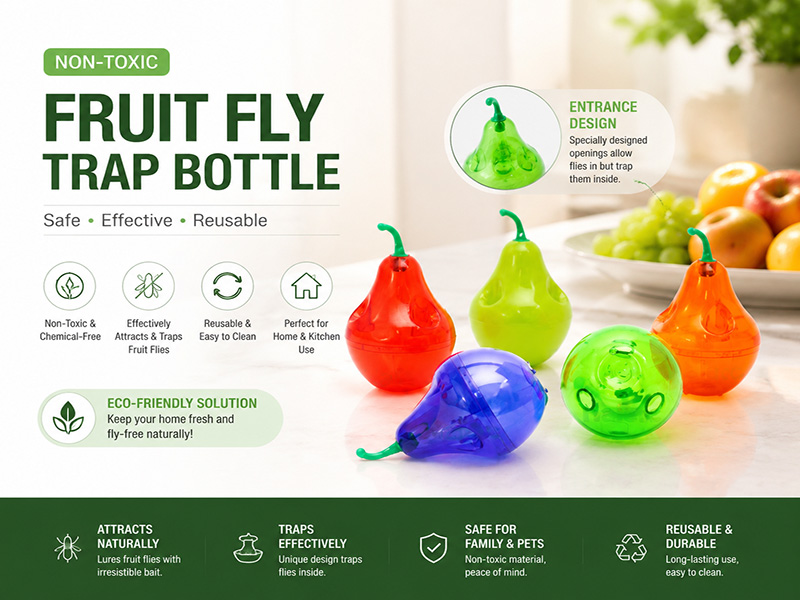
Supermarket produce backrooms generate constant moisture, organic waste, and fluctuating temperatures that accelerate pest activity. Establishing a routine audit helps receiving staff and floor managers detect breeding sites around floor drains, disposal bins, and ripening pallets before adult swarms contaminate inventory. Regular inspection schedules, paired with targeted placement of Fruit Fly Monitor (HC4501) units and perimeter monitoring using Fly Trap Bottle (HC4226), ensure staff identify pressure spikes early and prevent stock losses on the retail floor.
Before You Start
A structured monitoring program in produce backrooms requires upfront preparation to ensure counts reflect actual insect activity rather than inconsistent inspection habits.
Tools and Records
Inspectors need reliable equipment on hand before entering storage and prep zones. Prepare dedicated recording logs, clipboards, a bright inspection light, and clean sampling hardware such as the Fruit Fly Monitor (HC4501) to capture adult specimens. Maintain a facility floor plan marked with numbered trap stations, floor drains, and organic waste collection points to cross-reference counts against specific physical locations.
Access and Safety
Backroom environments carry continuous traffic from pallet jacks, forklifts, and restocking personnel. Schedule inspection rounds during shift changeovers or early morning staging windows to minimize interference with active produce handling. Technicians must wear high-visibility vests, slip-resistant footwear around wet floor drains, and observe sanitation boundaries to avoid contaminating raw produce cases during trap placement.
Baseline Pest Pressure
Establish a historical count over a one- to two-week period to identify typical background insect activity across varying receiving volumes. Tracking initial catch numbers per station using Fruit Fly Trap Attraction Bait (HC4232) inside monitoring units reveals existing hot spots near cull bins or washing sinks, providing an operational benchmark to distinguish minor fluctuations from sudden population spikes.
The Fruit Fly Monitoring Checklist
A standardized inspection protocol maintains backroom hygiene and stops hidden fly infestations before stock reaches retail displays.
Step 1: Walk the Area
Follow a systematic perimeter route around the backroom before opening collection chambers. Observe floor drains, organic waste bins, damaged produce staging pallets, and the space beneath refrigeration condensers where moisture accumulates. This preliminary pass identifies immediate sanitation lapses and structural entry points across the layout.
Step 2: Inspect Each Unit
Examine the physical condition of each monitoring station installed along the perimeter route. Check Fruit Fly Monitor (HC4501) placements for dust accumulation, physical damage from pallet jacks, and adhesive saturation levels. Confirm that stations remain securely mounted at pallet height near high-risk sorting tables and wash sinks.
Step 3: Replace Consumables
Service the stations according to catch thresholds and standard sanitation schedules. Replenish spent monitoring lures by adding fresh Fruit Fly Trap Attraction Bait (HC4232) into collection wells, and replace adhesive boards coated with debris or insects. Dispose of discarded attractants and boards in exterior trash compactors immediately to prevent cross-attraction inside the holding area.
Step 4: Record Findings
Log exact specimen counts, trap numbers, and station locations on the departmental log sheet immediately after servicing each point. Documenting these trap counts supports the fruit fly monitoring checklist for supermarkets to identify specific sanitation lapses or contaminated inventory lots arriving from distribution centers.
Step 5: Review Trends Monthly
Analyze compiled weekly counts at the end of each billing cycle to evaluate overall population shifts. Cross-reference elevated catch counts against incoming produce shipments, seasonal temperature changes, and specific supplier pallets to adjust trap density and sanitation schedules for the following month.
Common Mistakes to Avoid
A common error in produce staging areas is treating traps as reactive catchers rather than diagnostic indicators. Placing hardware too close to high-airflow cooling fans or open loading bay doors dilutes lure plumes and skews catch counts, masking localized breeding sites near floor drains and culling bins. Staff also frequently neglect bait replenishment schedules; pairing Fly Trap Bottle (HC4226) with fresh doses of Fruit Fly Trap Attraction Bait (HC4232) ensures consistent capture data instead of false negatives caused by evaporated attractant. Finally, logging total fly counts without noting the exact date, pallet location, and sanitation conditions prevents managers from tracing incoming infested stock back to specific distribution batches.
Frequently Asked Questions
Supermarket backrooms require consistent verification routines to prevent seasonal fruit fly surges from spreading onto retail sales floors.
Q: How often should this checklist run?
Backroom teams should complete this inspection at least weekly during standard operations, moving to a twice-weekly cadence during peak summer produce arrivals. Implementing a fruit fly monitoring checklist for supermarkets helps receivers catch damaged stock and monitor early fly arrivals before infestations expand. High-risk zones like ripening rooms, cull bins, and floor drain areas require the closest attention during each pass.
Q: Which records help during a pest audit?
Auditors look for dated trap service logs, documented fly counts, and mapped placement floor plans matching on-site monitoring stations. Maintaining records of corrective actions, such as disposal of overripe culls or drain foaming after trap catches spike, demonstrates active backroom sanitation control. Logging maintenance intervals for devices like the Fruit Fly Monitor (HC4501) provides clear physical proof of proactive fly management.
Q: What should buyers check before ordering monitoring hardware in bulk?
Procurement teams should verify compatibility with existing backroom shelving, wall mounts, and washing routines before placing high-volume orders. Hardware must withstand damp storage environments and allow quick visual counts without creating sanitation hazards near open food bins. Pairing durable stations with replenishment supplies like Fruit Fly Trap Attraction Bait (HC4232) ensures smooth long-term inventory rotation across all store locations.
About FliesTrap by Haierc
FliesTrap is the fly and hygiene-insect brand of Haierc PCO, a Tianjin manufacturer with 18+ years of pest-control hardware experience and 1000+ items in production. Haierc holds ISO9001; products are offered to CE, REACH and RoHS requirements where applicable; the factory is BSCI and SEDEX audited. Commercial terms: MOQ from 100 pcs; OEM / private label from 500 pcs. Contact: info@haierc.com | +86 18602234188 | https://www.fliestrap.com
- Share this:

-


Category
Trending Now