



 Bird & Pigeon Pest Control
 MOUSE & RAT Pest Control
 Fly Pest Control
 Cockroach Pest Control
 Mosquito Pest Control
 Mole Pest Control
 Wasp Pest Control
 Moth Pest Control
 Bed Bug & Flea Pest Control
 Ant & Termites Pest Control
 Spider Pest Control
 Other Insect Pest Control
 Snake Pest Control
 Snail & Slug Pest Control
 Wildlife Pest Control
 Garden Products
 Virus Control
 Smart AI Trap
 Insecticides


Industry News
How to Deter Pest Birds from Commercial Rooftops and Warehouses | FliesTrap
 By
2026-09-26
read
By
2026-09-26
read

.jpg)
Root Causes of Avian Infestation on Industrial Roofs
Birds don't pick industrial roofs by accident. High-clearance portal frame sheds provide flat, elevated vantage points completely sheltered from ground predators. Parapets, HVAC condenser units, and box gutters retain warmth during winter mornings while offering shaded roosts in 40°C summer heatwaves.
Food proximity accelerates flock colonization. Warehouses handling dry grains, pet food, or processed consumer goods generate micro-spills around compactor zones and dock levellers. Pigeons exploit these unsealed points. Once a flock establishes a breeding site on a protected ledge, their biological homing instinct makes eradication significantly harder. Australian environmental legislation strictly regulates interfering with active nests containing eggs or fledglings of protected species, meaning passive exclusion must occur before the breeding season locks in.
Extreme UV radiation in Australia degrades cheap plastic deterrents in months. Low-grade poly decoys crack, fade to grey, and lose their predatory eye reflections. When decoys stop moving or lose contrast, birds habituate. They will literally perch on the fake predator's head within two weeks. To maintain an effective Bird Scare perimeter, physical materials must withstand harsh UV indices while presenting dynamic physical profiles that disrupt habituation cycles.
Step-by-Step Guide: Implementing a Facility Bird Exclusion Program
SITE AUDIT & SANITATION
│
▼
STRUCTURAL EXCLUSION (Anti Bird Net & Spikes)
│
▼
DYNAMIC PREDATOR DECOYS (Owl & Eagle Placements)
│
▼
GROUND & PERIMETER REINFORCEMENT (Rodent & Insect Traps)
│
▼
SCHEDULED ROTATION (Bi-weekly Position Shifts)
Step 1: Site Inspection and Roost Mapping
Map every structural ledge, I-beam flange, and roof valley where birds loaf or nest. Measure the clearance height of open canopy doors and record the primary wind vectors across the roof deck. Document dropping accumulation points to identify feeding versus roosting areas.
Step 2: Surface Sanitization and Biohazard Removal
Never install deterrents over existing droppings. Old guano contains pheromones that attract returning birds, alongside hazardous spores like Histoplasma capsulatum. Pressure-wash ledges using an enzymatic bio-cleaner and apply a broad-spectrum disinfectant. Ensure surfaces are dry before mounting mechanical hardware.
Step 3: Install High-Tension Structural Barriers
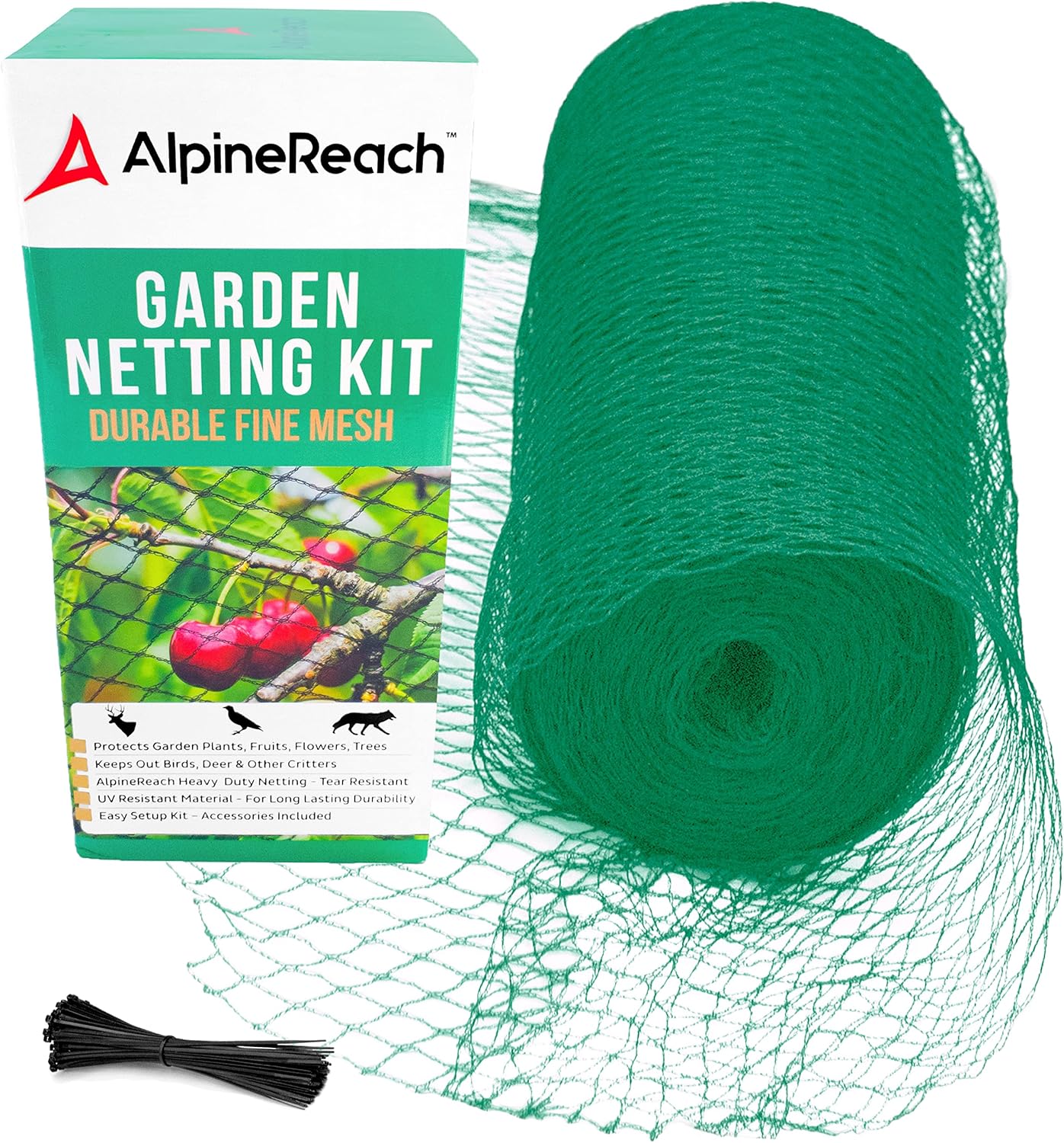
Seal off deep canopy recesses, roof valleys, and HVAC voids using heavy-duty Anti Bird Net. Anchor perimeter corner brackets into masonry or structural purlins using 304 stainless steel hardware. Run 2 mm stainless wire rope through intermediate fixings at 500 mm intervals.
+---------------------------------------------------------+
| NETTING INSTALLATION |
| |
| [Corner Anchor]=====================[Corner Anchor] |
| ║ 2mm Stainless Wire ║ |
| ║ ┌───────────────────────────┐ ║ |
| ║ │ 19mm UV-Stabilised Mesh │ ║ |
| ║ │ Polyethylene Anti-Bird Net│ ║ |
| ║ └───────────────────────────┘ ║ |
| [Corner Anchor]=====================[Corner Anchor] |
+---------------------------------------------------------+
Tension the wire using turnbuckles until it rings like a guitar string, then hog-ring the 19 mm UV-stabilized polyethylene mesh directly to the cable. This stops small Indian mynas and pigeons from slipping through gaps.
Step 4: Deploy Dynamic Predator Decoy Systems
Position a lifelike Plastic Owl Decoy Scare Birds unit on high-visibility parapet corners and roof ridge caps. The decoy must stand out against the horizon. For broad canopy roofs over 1,500 square meters, mount a Bird Scarecrow Fake Eagle Scare Birds on a flexible fiberglass pole.
The fake eagle catches thermal air currents, swooping unpredictably above the roofline. Birds read this silhouette as an active raptor hunting over the area. Ensure your decoy selection provides adequate coverage based on the calculated Protect Area Dia For Choice for the specific yard or roof span.
PREDATOR SCARE EFFECTIVENESS RADIUS
\ Wind Currents /
\ │ /
▼ ▼ ▼
[ Bird Scarecrow Fake Eagle ] <-- Dynamic movement
/ \
/ Coverage Dia \
/ 15m - 25m \
▼ ▼
┌───────────────────────────────┐
│ Warehouse Roof Deck │
│ [Plastic Owl] [Solar Array]│
└───────────────────────────────┘
Step 5: Reinforce Internal and Loading Bay Zones
Birds often enter through bay doors that remain open during 10-hour freight shifts. Install visual scare elements like a reflective Bird Repellent Flash Owl right inside loading portals to break visual entry lines.
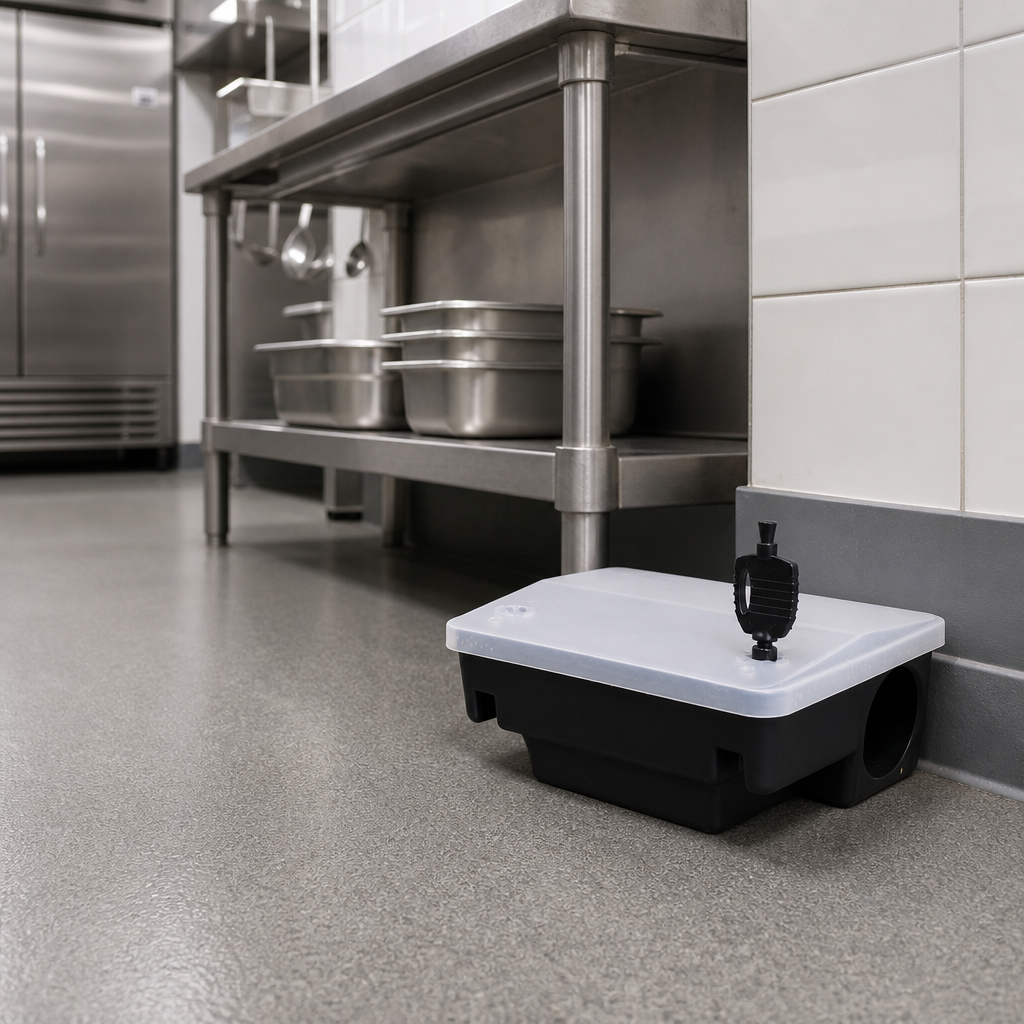
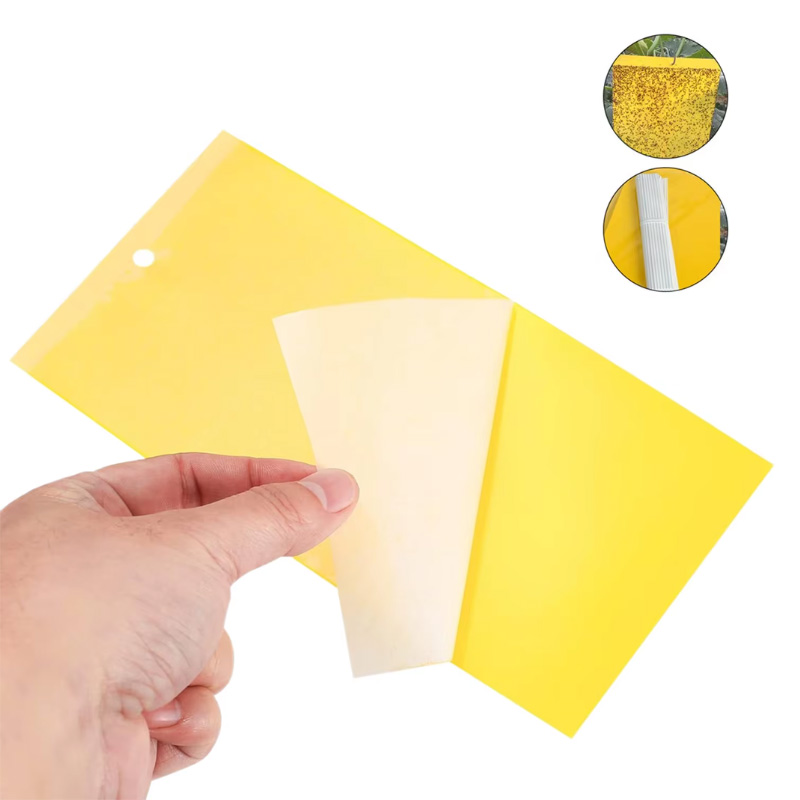
Because loading docks also draw ground pests, run a secondary line of defense along the slab edge. A Plug-in Humane Mouse Deterrent Device placed in staging rooms deters mice looking for spilled pallet goods. Pair this with a Durable PP Rat Bait Station along external walls and a commercial Fly Glue Catcher near waste compactors to eliminate attractants that lure scavengers.
+------------------------------------------------------------+
| LOADING BAY MULTI-TIER DEFENSE |
| |
| [External Wall] --> Durable PP Rat Bait Station (Ground) |
| [Door Portal] --> Bird Repellent Flash Owl (Visual) |
| [Staging Area] --> Plug-in Humane Mouse Deterrent Device |
| [Refuse Zone] --> High-Tack Fly Glue Catcher |
+------------------------------------------------------------+
Step 6: Maintain a Strict Decoy Relocation Schedule
Static decoys fail when you forget them. Assign maintenance technicians to relocate every Plastic Owl Decoy Scare Birds and Bird Scarecrow Fake Eagle Scare Birds every 10 to 14 days. Shift the owl from the western parapet to the northern ridge cap. Alter the tether line length on your eagle scarecrow. This simple five-minute adjustment disrupts the birds' spatial mapping and prevents habituation entirely.
Commercial Exclusion Hardware Specifications
Selecting bird management hardware requires comparing physical resilience, material degradation rates, and operational coverage zones. Low-grade commercial options often crack under intense sunlight, requiring premature replacement that inflates operational budgets.
| Specification / Feature | Haierc / FliesTrap Standard | Industry Average Standard |
|---|---|---|
| Decoy Plastic Formulation | High-Density UV-stabilized Polycarbonate & Virgin PE | Standard recycled PVC (brittle in direct sun) |
| Wind-Activated Decoy Mechanics | 360° Stainless ball-bearing swivel head & wing flex joints | Fixed molded static plastic or friction pins |
| Netting Tensile Strength | High-tenacity knotted PE, UV-treated (break load > 18kg) | Extruded polypropylene mesh (break load < 9kg) |
| Auxiliary Dock Deterrence | Dual-frequency ultrasonic / electromagnetic output circuits | Single fixed tone transducers (rapid pest habituation) |
| Export Compliance Certifications | CE, RoHS, REACH, ISO9001, BSCI, SEDEX, EPA registered | Basic uncertified commercial production |
| Production Minimums & Lead Times | 500-unit MOQ; 15-25 days standard production | 1,000+ unit MOQ; 45+ days overseas lead time |
For operations looking to source dependable pest control inventory, partnering with an established disuasor de aves distribuidor ensures consistent build quality. Sourcing direct from an experienced factory provides access to reliable components engineered for brutal field conditions. Whether coordinating Bird Spike import distributor Canada shipments, handling malla para aves importador logistics in Latin America, or executing large-scale rodent control supplies sourcing Germany contracts, standardizing hardware ensures fewer site recalls and stronger client retention.
Pro Tips and Compliance Mistakes to Avoid
Installing bird control systems looks simple on paper. In practice, small installation mistakes ruin entire jobs.
The Five Most Common Installation Errors:
- Leaving Sag in Netting: If structural bird netting sags more than 30 mm across a 5-meter run, heavy gulls and pigeons will land directly on the mesh. The weight pulls the perimeter anchors loose. Keep all boundary wire tensioned to a minimum of 45 kg of pull force.
- Mounting Decoys Below the Roost: A predatory decoy placed on a lower deck will not scare birds nesting on the ridge above it. Birds know raptors attack from above. Always mount the decoy at or above the highest elevation point of the target structure.
- Overlooking Ground Attractants: Visual scare systems struggle if open refuse bins sit directly underneath. Birds balance risk against food reward. If waste skips remain unsealed, hunger will override their fear of the visual decoy.
- Ignoring Secondary Pest Vectors: Installing bird exclusion without addressing pallet-level pests leaves the facility exposed during comprehensive audits. Pair rooftop bird decoys with an interior Plug-in Humane Mouse Deterrent Device to safeguard floor-level stock.
- Set-and-Forget Neglect: Leaving visual decoys static for three months turns an active deterrent into a perch. Routine relocation is non-negotiable.
Frequently Asked Questions
Q: How do you prevent pigeons from getting used to plastic bird decoys?
A: Birds habituate to visual decoys when they remain stationary in one location for more than two weeks. To prevent this, move the Plastic Owl Decoy Scare Birds every 10 to 14 days to a different roof section or ledge. Using dynamic models with wind-activated moving heads or deploying a Bird Scarecrow Fake Eagle Scare Birds that swoops on a tether line breaks the birds' visual expectations and keeps them from identifying the decoy as harmless.
Q: What is the most effective mesh size for commercial bird netting?
A: For mixed commercial infestations in Australia, a 19 mm square mesh is the industry benchmark. This size reliably blocks both larger birds like feral pigeons and silver gulls as well as smaller nuisance species like Indian mynas and sparrows. FliesTrap Anti Bird Net features UV-stabilized knotted polyethylene that withstands continuous high UV exposure without embrittlement or sagging over multi-year installations.
Q: Can visual bird scare devices be used inside food processing warehouses?
A: Yes, visual bird deterrents are highly recommended inside food processing facilities because they are completely non-toxic and comply with FSMA and BRCGS food safety standards. Complementing visual systems with indoor electronic tools like a Plug-in Humane Mouse Deterrent Device helps create a chemical-free pest exclusion zone across both aerial and ground pathways inside clean production environments.
Q: How many predator decoys are needed per square meter of roof?
A: As a rule of thumb, install one Plastic Owl Decoy Scare Birds for every 100 to 150 square meters of localized roof ledge or HVAC staging area. For broad, open commercial roof spans, a dynamic Bird Scarecrow Fake Eagle Scare Birds provides a Protect Area Dia For Choice covering up to 400 to 600 square meters when mounted on an elevated fiberglass pole that catches passing winds.
Q: Are physical bird deterrents legal under Australian animal welfare regulations?
A: Yes, physical exclusion netting and visual scare decoys are fully compliant humane methods under Australian state and territory wildlife protection frameworks. They deter pest birds from roosting and nesting without causing physical harm or chemical toxicity. However, installers must ensure netting does not trap birds inside voids and that installations occur before active nesting with eggs or fledglings takes place.
Conclusion: Securing Your Commercial Facility
Eliminating bird infestations on commercial roofs requires a systematic approach. Evaluate structural loafing zones, clean away pheromone-laden guano, install tight structural netting across recessed voids, and deploy dynamic predator decoys along exposed ridges. Consistent relocation of visual units combined with perimeter rodent controls protects facility infrastructure and ensures audit-ready operations year-round.
FliesTrap by Haierc brings 18 years of specialized factory manufacturing experience to physical pest control. Our high-grade deterrents, predator decoys, and structural barriers are certified to CE, RoHS, and REACH standards, serving professional PCO distributors across Australia, North America, and Europe. Contact our technical team at sales@fliestrap.com or visit https://www.fliestrap.com to request product specification sheets, custom OEM configurations, or trial sample evaluations for your commercial portfolio.
- Share this:

-



Category
Trending Now