



 Bird & Pigeon Pest Control
 MOUSE & RAT Pest Control
 Fly Pest Control
 Cockroach Pest Control
 Mosquito Pest Control
 Mole Pest Control
 Wasp Pest Control
 Moth Pest Control
 Bed Bug & Flea Pest Control
 Ant & Termites Pest Control
 Spider Pest Control
 Other Insect Pest Control
 Snake Pest Control
 Snail & Slug Pest Control
 Wildlife Pest Control
 Garden Products
 Virus Control
 Smart AI Trap
 Insecticides


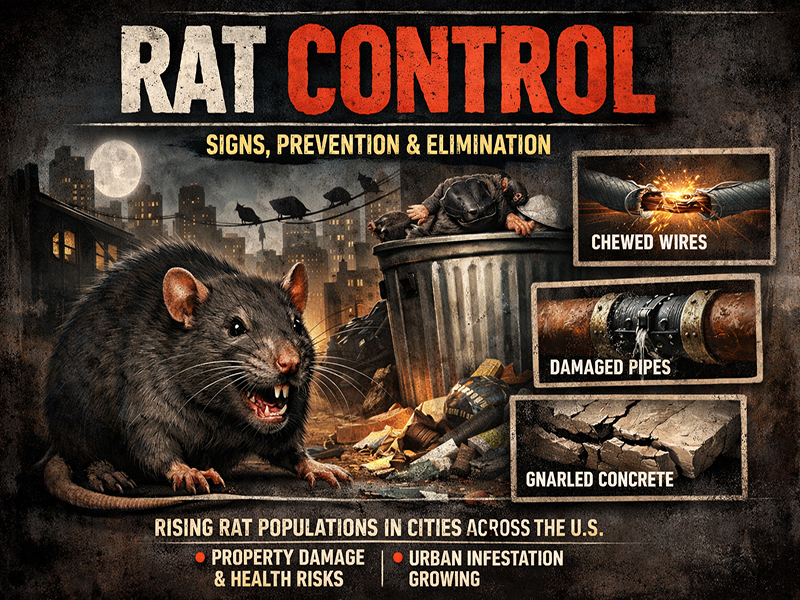
Two species matter most in the U.S.:
Norway rats (brown rats): Stocky, burrow underground, most common in urban areas.
Enter homes through gaps near the foundation.
Roof rats (black rats): Slender, excellent climbers, nest in attics and trees. Enter through rooflines, utility lines, and overhanging branches.
Signs of a rat infestation:
Droppings (capsuleshaped, up to ¾ inch long)·
Gnaw marks on wood, plastic pipes, food packaging·
Burrows in soil near the foundation or under decking·
Grease rub marks (black smears on walls from their oily fur)·
Sounds of movement in walls or ceilings at night.
Exclusion is the foundation of rat control:
Seal any gap larger than ½ inch (rats can compress their bodies to fit through surprisingly small openings)·
Cap chimneys and roof vents with heavy-gauge wire mesh·
Cut back tree branches to at least 3 feet from the roofline (roof rats use branches as bridges)·
Keep garage doors closed; add door sweeps·
Store garbage in metal or hard plastic containers with lids.
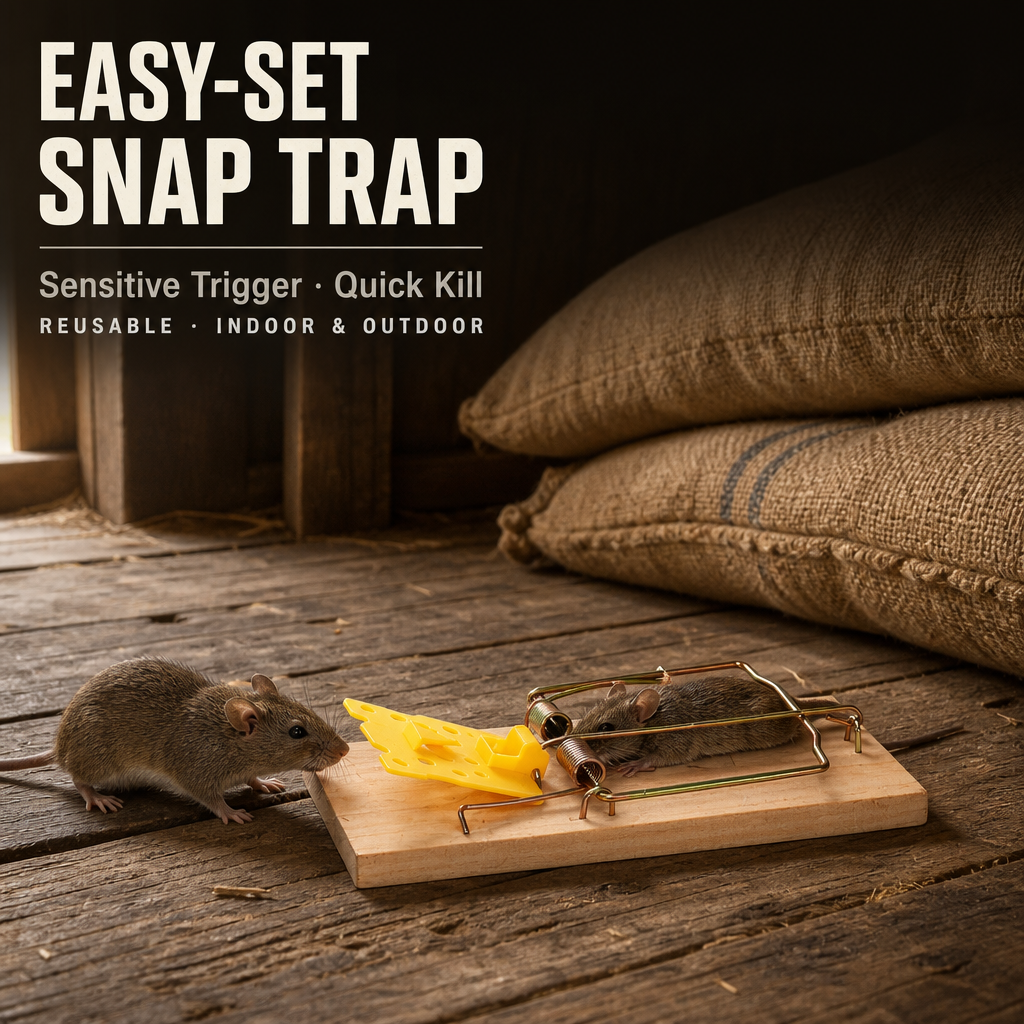
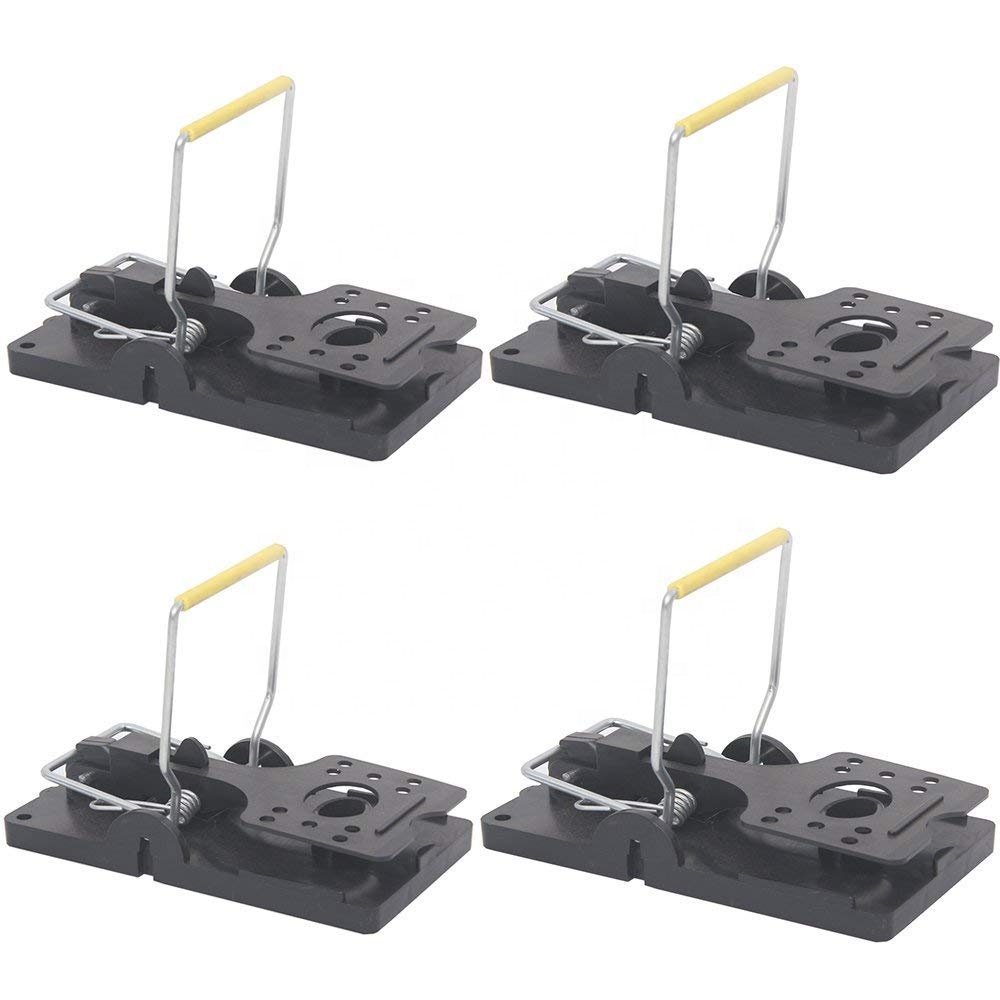
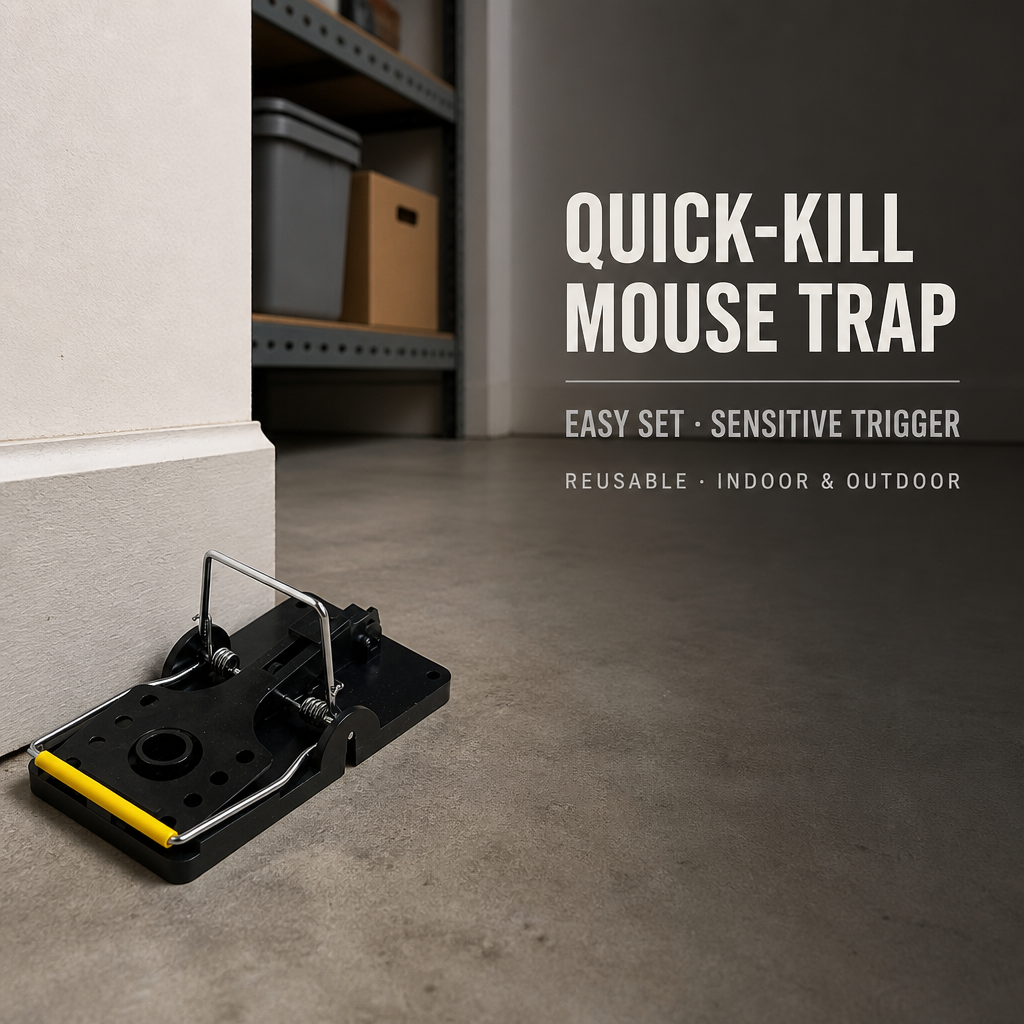
Trapping: Large snap traps (Victor Easy Set rat traps) are the most effective non-toxic method. Bait with peanut butter, bacon, or nesting materials (cotton balls). Place along walls where you’ve observed activity. Rats are neophobic — new objects in their territory make them cautious, so a pre baiting period (unset trap with bait for 2–3 nights) helps.
- Share this:

-



Category
Trending Now