



 Bird & Pigeon Pest Control
 MOUSE & RAT Pest Control
 Fly Pest Control
 Cockroach Pest Control
 Mosquito Pest Control
 Mole Pest Control
 Wasp Pest Control
 Moth Pest Control
 Bed Bug & Flea Pest Control
 Ant & Termites Pest Control
 Spider Pest Control
 Other Insect Pest Control
 Snake Pest Control
 Snail & Slug Pest Control
 Wildlife Pest Control
 Garden Products
 Virus Control
 Smart AI Trap
 Insecticides


Industry News
The #1 Mistake Homeowners Make with DIY Pest Control
 By Haierc Pest Control
2026-03-06
read
By Haierc Pest Control
2026-03-06
read

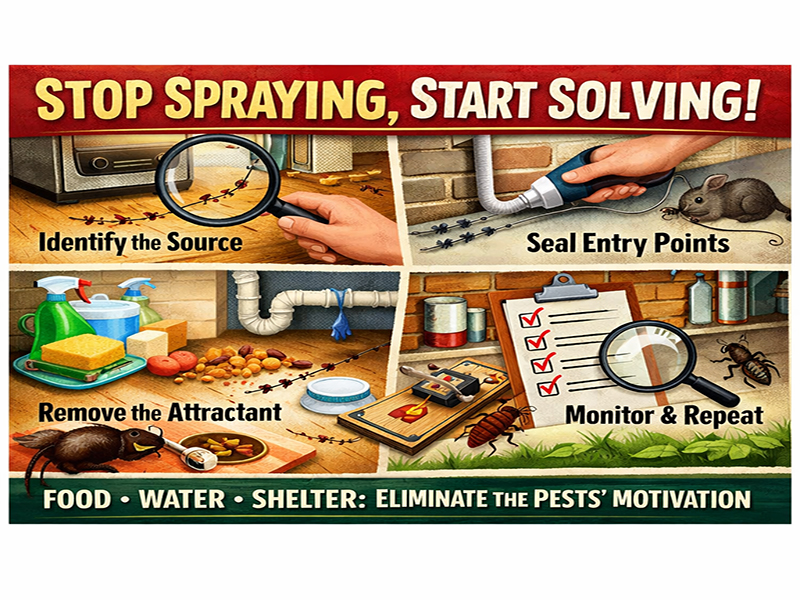
The #1 mistake? Killing the pest without eliminating the attractants. Pests enter your home for three basic reasons: food, water, and shelter. If those three things remain available, no spray in the world
will give you lasting results.
Here’s what actually works:
Step 1: Identify the source. A trail of ants almost always leads somewhere — a spill behind an appliance, a forgotten piece of food, a leaky pipe. Follow the trail to its source before you treat anything.
Step 2: Remove the attractant. Clean up spills immediately, fix leaks, seal food in airtight containers, and take trash out regularly. Pests are opportunists — remove the opportunity.
Step 3: Seal entry points. Use caulk for cracks around pipes and baseboards. Add door sweeps to exterior doors. Install weather stripping. Mice can fit through a gap the size of a dime; cockroaches need even less.
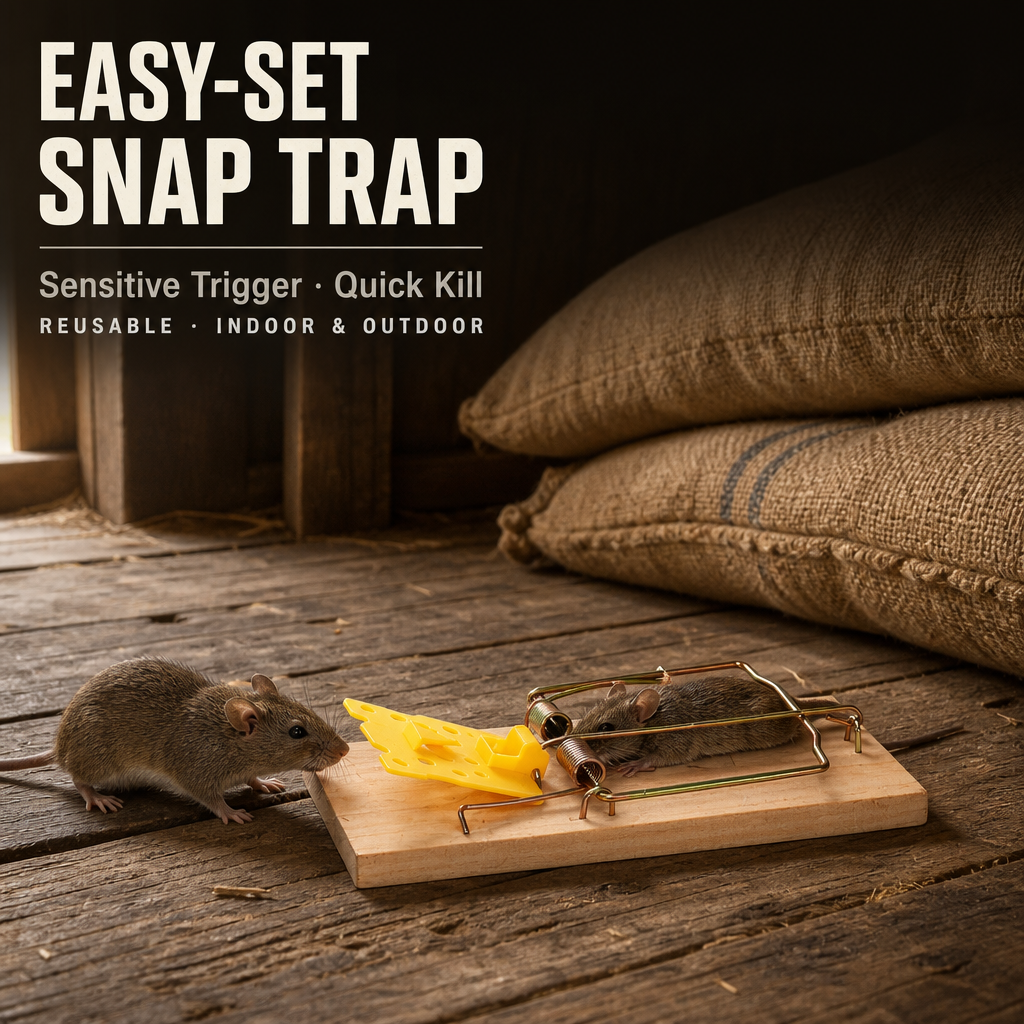
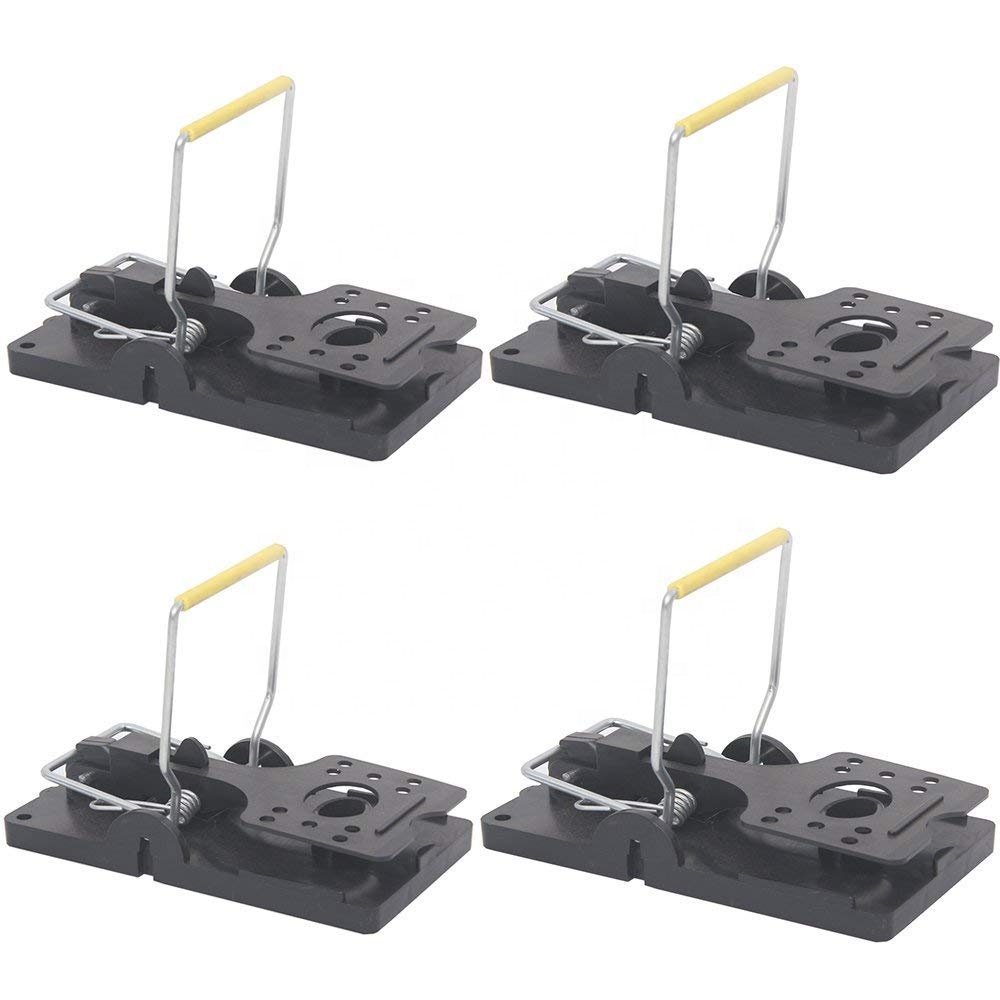
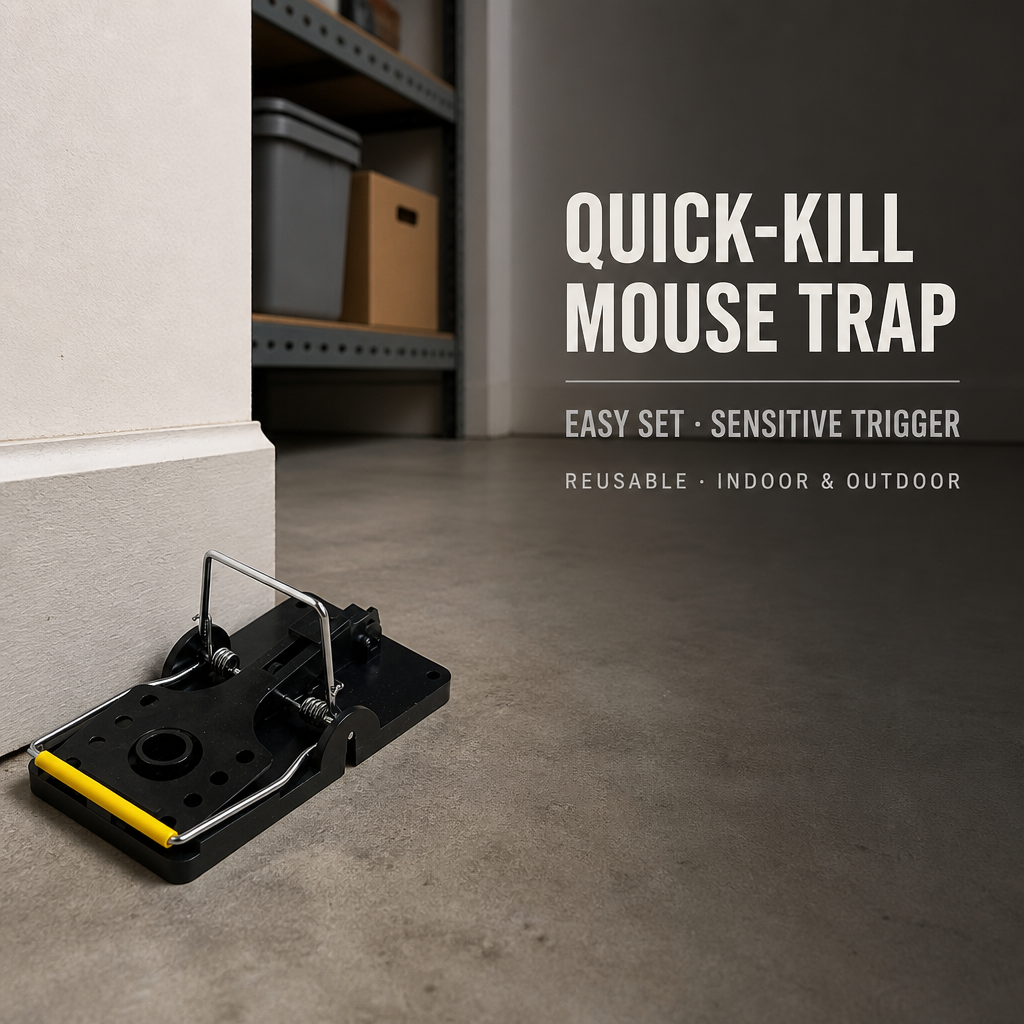
Step 4: Apply the right product in the right place. Ant bait works by having workers carry it back to the colony — don’t spray over it or you’ll disrupt the process. Roach gel bait goes behind appliances and in cracks, not in open areas. Snap traps for mice should be placed perpendicular to walls where rodents travel.
Step 5: Monitor and repeat. Pest control isn’t a one-time event. Check traps every 48 hours, reapply bait as needed, and keep up with sanitation.
The pest control market is growing precisely because reactive, spray-andpray approaches don’t work long-term.
A systematic, prevention-first mindset is what separates homes that stay pestfree from those that cycle through infestations every season.
- Share this:

-



Category
Trending Now